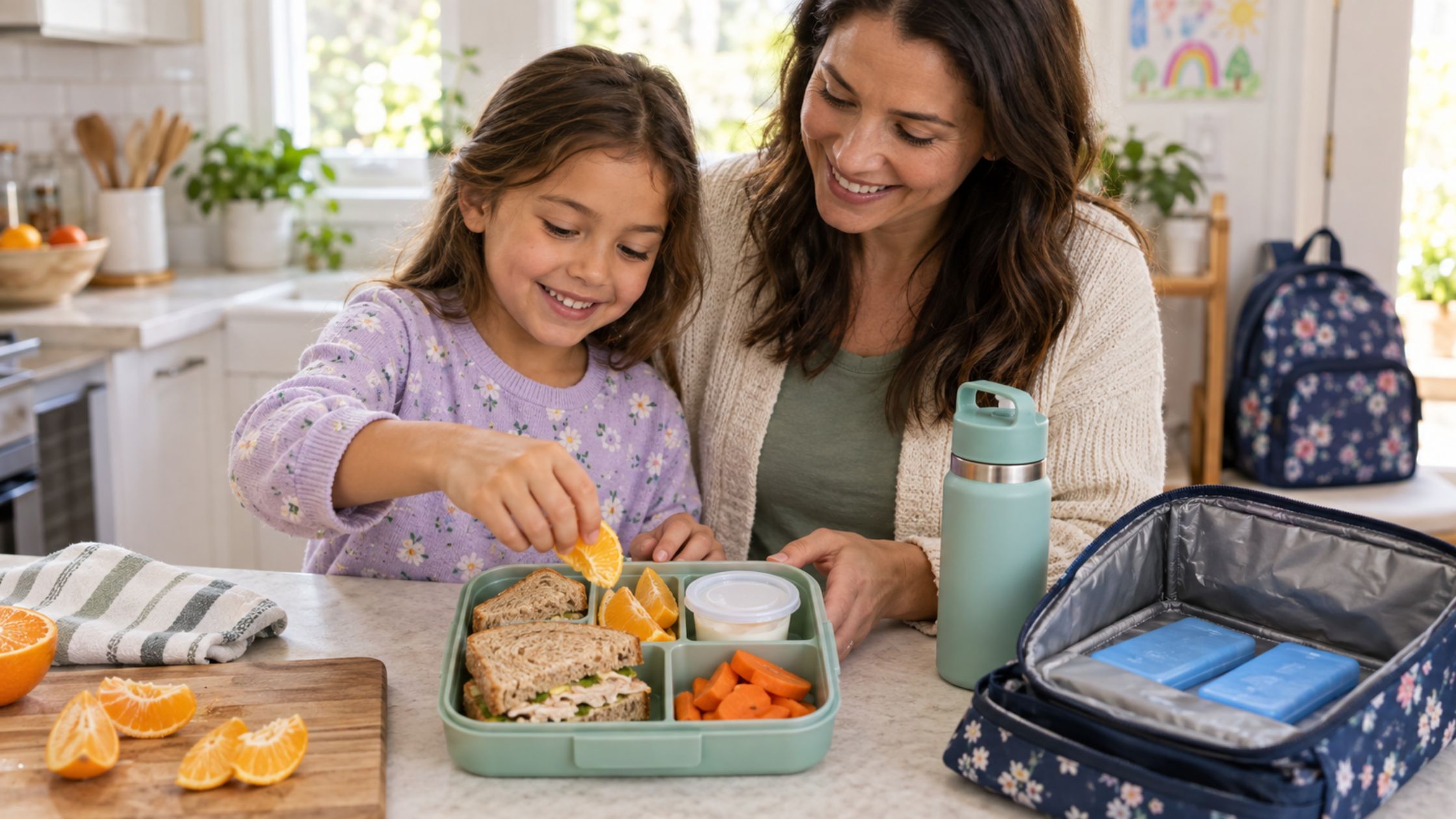
Nutrition Education for Kids: Simple Lunchbox Habits That Support Growth
A nutritious school lunch does not need elaborate recipes, expensive ingredients, or perfectly arranged compartments. A few familiar foods, some variety, and a routine your family can manage are a good place to start.
Lunch is also an opportunity to teach children practical skills: choosing foods, noticing hunger and fullness, and learning how meals help them grow and stay active.
For families seeking nutrition education for kids in San Antonio, Pediatric Heroes and Families Primary Care Clinic lists nutrition education among its services. Parents can bring questions about eating patterns and growth to a visit. Learn more in the Pediatric Heroes FAQ.
Build a lunchbox with a few simple choices
Think about food groups when planning lunch, while allowing flexibility for your child’s needs, preferences, and cultural foods.
A practical starting point includes:
• Protein: Beans, chicken, eggs, tofu, or another familiar option.
• Grains or another starchy food: Whole-grain bread, rice, tortillas, pasta, or potatoes.
• Fruit and vegetables: Choose options your child can comfortably eat.
• Dairy or an appropriate alternative: Yogurt, cheese, milk, or a suitable fortified alternative.
• Water: Include a refillable bottle when the school allows it.
USDA guidance encourages variety across fruits, vegetables, grains, protein foods, and dairy or fortified soy alternatives. You can work toward that variety throughout the day without making every lunch identical. USDA healthy eating tips for kids
Five healthy lunchbox ideas to rotate
Use these combinations as starting points. Adjust ingredients and amounts for your child’s appetite, allergies, eating skills, and school rules.
Lunch idea
What to pack
Chicken sandwich.
Chicken on whole-grain bread, soft pear slices, and yogurt
Bean and rice bowl
Beans, rice, cooked vegetables, shredded cheese, and fruit
Breakfast for lunch
Plain yogurt, oatmeal, berries prepared appropriately, and a cooked egg
Pasta lunch
Pasta with chicken or beans, cooked peas, and orange pieces
Quesadilla lunch
A bean-and-cheese quesadilla, soft cooked vegetables, and melon pieces
Pack water alongside the meal. Follow the temperature guidance below for foods that need to stay cold or hot.
You can repeat a lunch your child enjoys. Variety can come from changing one ingredient rather than creating a completely new meal every day.
Make lunch packing a small family habit
A short weekly routine can reduce rushed decisions:
1. Choose two or three lunches together. Offer specific choices, such as beans and rice or a chicken sandwich.
2. Check what you already have. Plan around familiar ingredients and suitable leftovers.
3. Prepare what you can ahead. Portion foods and refrigerate perishables promptly.
4. Practice opening containers. Make sure your child can manage lids, wrappers, and utensils.
5. Ask what worked. Find out whether the food was enjoyable, easy to eat, and manageable within the lunch period.
If lunch regularly comes home untouched, ask what happened before changing everything. A difficult container, a rushed lunch period, or a disliked texture may be part of the problem.
What if your child is a picky eater?
Include at least one familiar food your child generally accepts. Offer a small amount of a less familiar food alongside it, without requiring a bite or a clean plate.
Children may need repeated opportunities to explore foods. You can offer those opportunities during relaxed meals at home as well as at school. Avoid making lunch the only time your child encounters something new.
The American Academy of Pediatrics recommends calm meals, repeated exposure, and avoiding pressure or bribery. Involving children in choosing and preparing food can also help them become more comfortable with it. AAP guidance for picky eating
If your child’s accepted foods are becoming increasingly limited or eating is distressing, bring that concern to their provider.
Keep packed lunches safe
Food safety matters when lunch sits for several hours before a child eats it.
For lunches containing meat, eggs, yogurt, or other perishable foods, USDA recommends an insulated lunch bag with at least two cold sources, such as frozen gel packs. Refrigerate the lunch on arrival if that option is available.
For hot foods, use an insulated food container. Preheat it with boiling water, empty it, then add piping-hot food and keep it closed until lunch. Hot food should stay at 140°F or above, and cold food at 40°F or below.
Perishable food should not sit at room temperature for more than two hours, or one hour when temperatures exceed 90°F. USDA packed-lunch food-safety guidance
Also follow your school’s allergy rules. For younger children, prepare foods for their chewing abilities and avoid choking hazards such as whole grapes, whole nuts, and hard chunks of raw vegetables. CDC choking-prevention guidance
Teach nutrition without making food a source of shame
Keep conversations focused on what food does and how it tastes. You might say, “Lunch gives us energy for the afternoon,” or ask whether your child prefers a crunchy or soft texture.
Avoid comparing children’s bodies or praising them for eating less. If weight is a concern, discuss it with a healthcare provider who can consider your child’s growth and overall health.
Pediatric weight management should be individualized. A provider can explain whether treatment is needed and what support fits the child and family. The AAP describes care that considers age, health status, family goals, and access to appropriate treatment. AAP information on treatment for children and teens
Look at the whole day, not just the lunchbox
Eating patterns are one part of children’s health. Regular movement, adequate sleep, and supportive family routines matter too.
CDC guidance emphasizes that childhood obesity has multiple influences and encourages families to build healthy habits together. A lunchbox alone does not explain a child’s weight or health. CDC guidance on family healthy habits
Bring up concerns about growth, unexpected weight changes, a very limited diet, or anxiety around eating. Also mention recurring stomachaches, constipation, fatigue, or difficulty chewing or swallowing. These symptoms may need evaluation beyond changes to the lunchbox.
Before the appointment, write down a few days of typical meals, snacks, drinks, and any symptoms. Include allergies, supplements, and practical challenges such as food costs or limited time to eat at school.
Ask Pediatric Heroes about nutrition education if you have questions about growth, eating patterns, weight concerns, or picky eating.Schedule an appointment or contact the clinic to discuss the appropriate visit for your child.
Aim for a mix of protein, grains or another starchy food, fruit, vegetables, and dairy or an appropriate alternative across the day. Pack water and choose foods that fit your child’s needs, preferences, and school rules.
What if my child is a picky eater?
Include a familiar food and offer small amounts of less familiar foods without pressure. Keep providing opportunities to explore foods at home. Ask your child’s provider for guidance if food choices are very limited, eating causes distress, or growth is a concern.
How do I keep my child’s lunch cold until lunchtime?
Use an insulated lunch bag with at least two cold sources for perishable foods. Refrigerate the lunch at school if possible. Foods such as meat, eggs, and yogurt need safe temperature control.
Should I reduce my child’s lunch portions because I am concerned about weight?
Discuss weight concerns with your child’s provider before making restrictive changes. The provider can review growth and eating patterns and help your family choose an appropriate plan.
When should I ask about nutrition education?
Ask when you have concerns about growth, eating patterns, limited food choices, weight changes, or family meal routines. Mention ongoing digestive symptoms, fatigue, or distress around food so the provider can assess what support is needed.
Popular Tags :
Welcome to the blog of Pediatric Heroes Primarily Care Clinic
No matter if your child is already a patient or searching for a pediatrician within the San Antonio area, we're glad you're here. With the advancement of the pediatric field and growing, we understand the importance to keep parents and their visitors informed of the latest and exciting activities happening at our clinic.
As we progress with this blog, we want to help you live a life of health and wellness that will benefit your children. You will find various articles and topics , including health news for children and advancements in pediatric care as well as practical child health tips and news.
We hope that you find our blog informative, interesting and engaging to ensure your child's optimal health.